Why Product Information Impact is More Critical Than Ever in 2025

.jpg)
Discover how tech for retail is revolutionizing the industry. Explore innovative solutions driving efficiency and customer engagement.
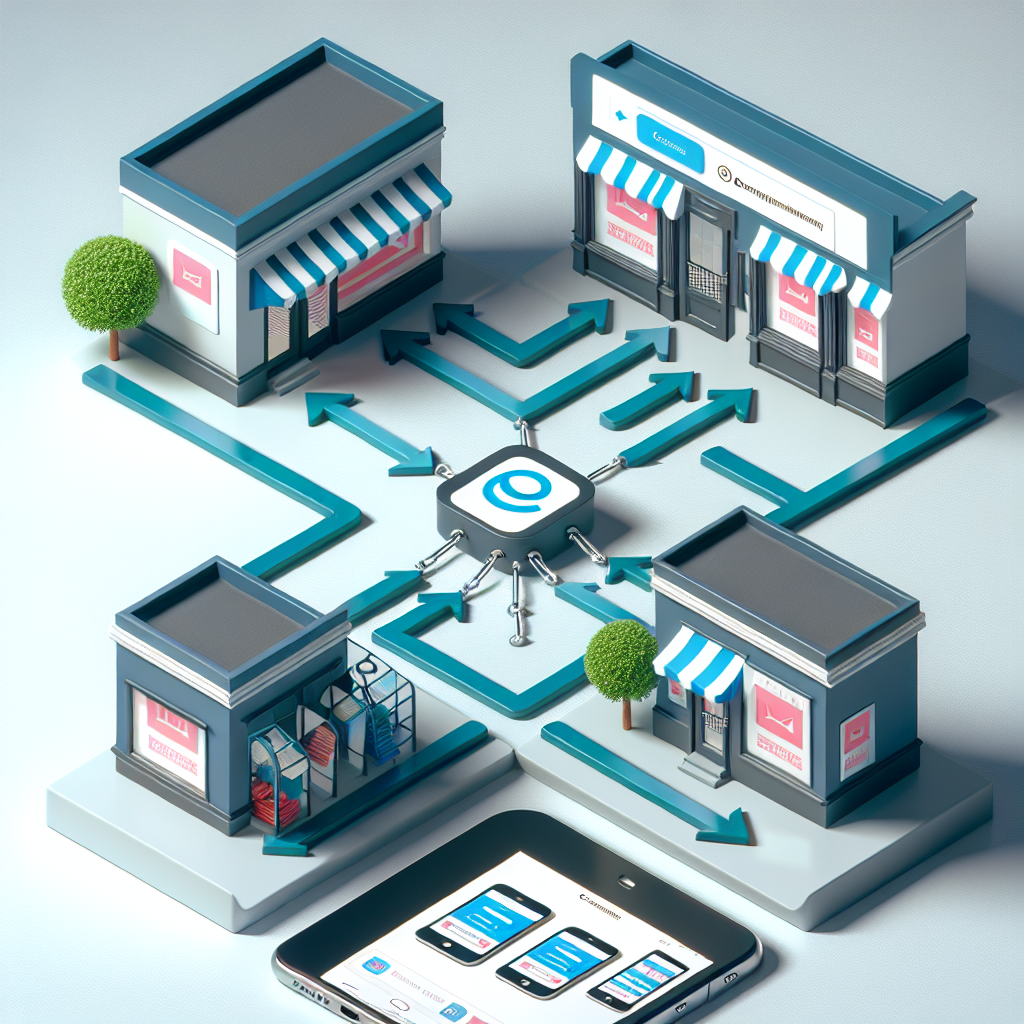
Imagine walking into a store where the sales associate greets you by name, suggests products based on your past purchases, and even remembers your favorite color. Sounds like something out of a sci-fi movie, right? But with the rise of tech for retail, this is quickly becoming a reality.
According to a recent study by McKinsey, companies that effectively harness AI for personalization can see up to a 10-15% increase in sales. That’s not just pocket change; it’s the kind of boost that can redefine a company's bottom line.
At the heart of personalized customer experiences lies data—lots and lots of it. Retailers are now leveraging AI algorithms to analyze customer behavior, preferences, and purchase history. This data-driven approach allows businesses to offer tailored recommendations that resonate with individual shoppers.
Take a mid-sized fashion retailer struggling to stand out in a saturated market. By integrating an AI-powered recommendation engine into their e-commerce platform, they can analyze browsing patterns and suggest items that align with each customer's style. The result? Higher conversion rates and increased customer loyalty.
Retail giants like Amazon have set the bar high with their sophisticated use of AI for personalization. Their algorithms not only recommend products but also tailor marketing messages based on user behavior. For example, if you frequently browse running shoes, expect to see ads featuring the latest releases or discounts on athletic wear pop up in your feed.
Personalized experiences lead to higher customer satisfaction and retention rates.
But wait! you might be thinking. Isn't this all just another way for companies to invade our privacy? It’s a valid concern. As retailers adopt more advanced tech for retail solutions, they must tread carefully when handling customer data.
Transparency is key, says an expert in consumer rights. Customers need to feel secure about how their information is used and should have the option to opt-out if they choose. Striking this balance will be crucial as businesses integrate AI into their strategies.
'So what's next?' you might wonder. Start small by implementing AI tools that provide insights into your current customer base. Analyze what works best for your audience before scaling up these initiatives.
Imagine walking into a store where the sales associate greets you by name, suggests products based on your past purchases, and even remembers your favorite color. Sounds like something out of a sci-fi movie, right? But with the rise of tech for retail, this is quickly becoming a reality.
According to a recent study by McKinsey, companies that effectively harness AI for personalization can see up to a 10-15% increase in sales. That’s not just pocket change; it’s the kind of boost that can redefine a company's bottom line.
At the heart of personalized customer experiences lies data—lots and lots of it. Retailers are now leveraging AI algorithms to analyze customer behavior, preferences, and purchase history. This data-driven approach allows businesses to offer tailored recommendations that resonate with individual shoppers.
Take a mid-sized fashion retailer struggling to stand out in a saturated market. By integrating an AI-powered recommendation engine into their e-commerce platform, they can analyze browsing patterns and suggest items that align with each customer's style. The result? Higher conversion rates and increased customer loyalty.
Retail giants like Amazon have set the bar high with their sophisticated use of AI for personalization. Their algorithms not only recommend products but also tailor marketing messages based on user behavior. For example, if you frequently browse running shoes, expect to see ads featuring the latest releases or discounts on athletic wear pop up in your feed.
Personalized experiences lead to higher customer satisfaction and retention rates.
But wait! you might be thinking. Isn't this all just another way for companies to invade our privacy? It’s a valid concern. As retailers adopt more advanced tech for retail solutions, they must tread carefully when handling customer data.
Transparency is key, says an expert in consumer rights. Customers need to feel secure about how their information is used and should have the option to opt-out if they choose. Striking this balance will be crucial as businesses integrate AI into their strategies.
'So what's next?' you might wonder. Start small by implementing AI tools that provide insights into your current customer base. Analyze what works best for your audience before scaling up these initiatives.
Retailers lose an average of .75 trillion each year due to poor inventory management. Yep, you read that right! That’s a staggering amount that could fund a lot of new tech for retail—if only businesses got their act together.
The Internet of Things (IoT) is stepping in like a superhero on a mission to save retailers from their inventory woes. Imagine a small boutique struggling with stockouts during peak season because they miscalculated demand. By integrating IoT sensors into their inventory management systems, they can track real-time stock levels and get alerts when items are running low. No more guesswork—just smart, data-driven decisions.
IoT devices can provide unparalleled visibility into inventory across multiple locations. For instance, a mid-sized electronics retailer could deploy RFID tags on products, allowing them to monitor stock levels across all stores and warehouses instantly. This not only streamlines the replenishment process but also helps avoid the dreaded overstock situation that ties up capital and space.
Real-time data from IoT devices enables retailers to make informed decisions quickly.
Now, let’s talk about predictive analytics powered by IoT data. Picture this: A grocery chain uses IoT sensors to monitor sales patterns and seasonal trends, allowing them to forecast demand accurately. They can anticipate which products will fly off the shelves during holiday seasons or local events, ensuring they have enough stock without overcommitting resources.
But what if the tech fails? you might be asking. While no system is foolproof, integrating IoT with backup protocols can minimize risks significantly. For example, if an IoT device fails to report data due to connectivity issues, backup manual checks or alternative systems can kick in until everything is back online.
'Surely it can't be that easy,' you might think. You're right! While the benefits are clear, implementing IoT solutions comes with its own set of challenges—from high initial costs to potential cybersecurity risks. A small specialty store might hesitate due to budget constraints but starting small with pilot projects can ease the transition.
Moreover, staff training is crucial for maximizing the effectiveness of these systems. If employees aren't comfortable using new technology or interpreting the data it provides, then even the best tech for retail won't deliver results.
The bottom line? Embracing IoT for inventory management isn't just about keeping up with trends; it's about enhancing operational efficiency and customer satisfaction while reducing losses.
So as you consider tech for retail solutions in your business strategy, think about how leveraging IoT could transform your inventory processes from chaotic to seamless—and ultimately boost your bottom line.
Retailers lose an average of $1.75 trillion each year due to poor inventory management. Yep, you read that right! That’s a staggering amount that could fund a lot of new tech for retail—if only businesses got their act together.
The Internet of Things (IoT) is stepping in like a superhero on a mission to save retailers from their inventory woes. Imagine a small boutique struggling with stockouts during peak season because they miscalculated demand. By integrating IoT sensors into their inventory management systems, they can track real-time stock levels and get alerts when items are running low. No more guesswork—just smart, data-driven decisions.
IoT devices can provide unparalleled visibility into inventory across multiple locations. For instance, a mid-sized electronics retailer could deploy RFID tags on products, allowing them to monitor stock levels across all stores and warehouses instantly. This not only streamlines the replenishment process but also helps avoid the dreaded overstock situation that ties up capital and space.
Real-time data from IoT devices enables retailers to make informed decisions quickly.
Now, let’s talk about predictive analytics powered by IoT data. Picture this: A grocery chain uses IoT sensors to monitor sales patterns and seasonal trends, allowing them to forecast demand accurately. They can anticipate which products will fly off the shelves during holiday seasons or local events, ensuring they have enough stock without overcommitting resources.
But what if the tech fails? you might be asking. While no system is foolproof, integrating IoT with backup protocols can minimize risks significantly. For example, if an IoT device fails to report data due to connectivity issues, backup manual checks or alternative systems can kick in until everything is back online.
'Surely it can't be that easy,' you might think. You're right! While the benefits are clear, implementing IoT solutions comes with its own set of challenges—from high initial costs to potential cybersecurity risks. A small specialty store might hesitate due to budget constraints but starting small with pilot projects can ease the transition.
Moreover, staff training is crucial for maximizing the effectiveness of these systems. If employees aren't comfortable using new technology or interpreting the data it provides, then even the best tech for retail won't deliver results.
The bottom line? Embracing IoT for inventory management isn't just about keeping up with trends; it's about enhancing operational efficiency and customer satisfaction while reducing losses.
So as you consider tech for retail solutions in your business strategy, think about how leveraging IoT could transform your inventory processes from chaotic to seamless—and ultimately boost your bottom line.
Ever walked into a store and felt like you were in a maze, unsure of where to go or what to buy? You’re not alone! According to a study by Retail Dive, 61% of consumers say they prefer shopping in stores that offer augmented reality (AR) experiences. This is not just a trend; it’s a game-changer for tech for retail.
Imagine this: A shopper enters a furniture store and uses an AR app on their phone to visualize how that sleek sofa would look in their living room. They can adjust colors, styles, and even see how it fits with their existing decor—all without lifting a finger. This kind of immersive experience is transforming the mundane act of shopping into something engaging and interactive.
AR isn’t just about flashy gimmicks; it’s about enhancing customer engagement and driving sales. For example, a cosmetics retailer could allow customers to virtually try on makeup products from the comfort of their homes or while browsing in-store. This eliminates the hassle of testing products and reduces the likelihood of returns—talk about a win-win!
AR can boost conversion rates by up to 40%.
Take IKEA, for instance. Their IKEA Place app lets users place true-to-scale 3D models of furniture in their homes using AR technology. Customers can see how different items fit together before making a purchase. This not only enhances customer satisfaction but also significantly reduces the chances of buyer's remorse.
But what about smaller retailers? you might ask. Well, even local boutiques are leveraging AR technology. A small clothing store could implement an AR mirror that allows shoppers to see themselves in various outfits without having to try them on physically. Talk about convenience!
Surely every retailer would jump at the chance for AR, you might think. But integrating this tech isn’t without its challenges. High setup costs, technology compatibility issues, and ensuring staff are trained effectively can throw a wrench in the works.
And let’s not forget about privacy concerns, an expert might chime in. As retailers collect data through AR apps, they must prioritize customer privacy and ensure transparent data handling practices.
Ever walked into a store and felt like you were in a maze, unsure of where to go or what to buy? You’re not alone! According to a study by Retail Dive, 61% of consumers say they prefer shopping in stores that offer augmented reality (AR) experiences. This is not just a trend; it’s a game-changer for tech for retail.
Imagine this: A shopper enters a furniture store and uses an AR app on their phone to visualize how that sleek sofa would look in their living room. They can adjust colors, styles, and even see how it fits with their existing decor—all without lifting a finger. This kind of immersive experience is transforming the mundane act of shopping into something engaging and interactive.
AR isn’t just about flashy gimmicks; it’s about enhancing customer engagement and driving sales. For example, a cosmetics retailer could allow customers to virtually try on makeup products from the comfort of their homes or while browsing in-store. This eliminates the hassle of testing products and reduces the likelihood of returns—talk about a win-win!
AR can boost conversion rates by up to 40%.
Take IKEA, for instance. Their IKEA Place app lets users place true-to-scale 3D models of furniture in their homes using AR technology. Customers can see how different items fit together before making a purchase. This not only enhances customer satisfaction but also significantly reduces the chances of buyer's remorse.
But what about smaller retailers? you might ask. Well, even local boutiques are leveraging AR technology. A small clothing store could implement an AR mirror that allows shoppers to see themselves in various outfits without having to try them on physically. Talk about convenience!
Surely every retailer would jump at the chance for AR, you might think. But integrating this tech isn’t without its challenges. High setup costs, technology compatibility issues, and ensuring staff are trained effectively can throw a wrench in the works.
And let’s not forget about privacy concerns, an expert might chime in. As retailers collect data through AR apps, they must prioritize customer privacy and ensure transparent data handling practices.
Imagine a world where every product you buy comes with a digital trail, revealing its journey from raw materials to your shopping cart. Sounds futuristic? Well, it’s happening now! In fact, a staggering 87% of consumers want more transparency in the brands they support, according to a survey by Label Insight. Enter blockchain technology—a game changer in the realm of tech for retail.
Retailers have long struggled with supply chain visibility. A mid-sized organic food company, for instance, faced frequent questions from customers about the origin of their products. Were those avocados really organic? Did they come from sustainable farms? With blockchain, they can provide verifiable proof of their sourcing practices at the click of a button.
At its core, blockchain is a decentralized ledger that records transactions across multiple computers so that the record cannot be altered retroactively. This means every step in the supply chain—from production to distribution—is recorded transparently and immutably. When a product is created, its details are logged onto the blockchain. As it moves through each stage—harvesting, processing, shipping—updates are added to this digital ledger.
This level of transparency helps retailers build trust with their customers.
Take Walmart’s use of blockchain as an example. They implemented this technology to trace the origin of produce like mangoes and lettuce within seconds instead of days. By scanning a QR code on packaging, customers can access detailed information about where their food comes from and how it was handled along the way. This not only enhances consumer confidence but also allows for quicker response times in case of recalls—essentially saving lives!
But what about smaller retailers? you might wonder. Well, even local businesses can leverage blockchain technology without breaking the bank. A small artisanal cheese shop could use blockchain to verify that their milk comes from local farms practicing ethical farming methods. By sharing this information with customers via an app or website, they differentiate themselves in a crowded market.
Surely this sounds too good to be true, you might think. While blockchain offers incredible advantages, there are hurdles too—like integration costs and complexity in existing systems. A small fashion retailer may find it daunting to implement such advanced technology without adequate resources or expertise.
What’s more? Not all blockchains are created equal! Some may prioritize privacy over transparency while others do just the opposite; choosing which type aligns best with your brand values is crucial.
As tech for retail continues evolving, embracing solutions like blockchain could be your ticket to not just surviving but thriving in an increasingly conscientious marketplace.
So what's next? Consider how implementing transparent practices through technology can bolster your brand's reputation while meeting consumer demands for ethical sourcing.
Imagine a world where every product you buy comes with a digital trail, revealing its journey from raw materials to your shopping cart. Sounds futuristic? Well, it’s happening now! In fact, a staggering 87% of consumers want more transparency in the brands they support, according to a survey by Label Insight. Enter blockchain technology—a game changer in the realm of tech for retail.
Retailers have long struggled with supply chain visibility. A mid-sized organic food company, for instance, faced frequent questions from customers about the origin of their products. Were those avocados really organic? Did they come from sustainable farms? With blockchain, they can provide verifiable proof of their sourcing practices at the click of a button.
At its core, blockchain is a decentralized ledger that records transactions across multiple computers so that the record cannot be altered retroactively. This means every step in the supply chain—from production to distribution—is recorded transparently and immutably. When a product is created, its details are logged onto the blockchain. As it moves through each stage—harvesting, processing, shipping—updates are added to this digital ledger.
This level of transparency helps retailers build trust with their customers.
Take Walmart’s use of blockchain as an example. They implemented this technology to trace the origin of produce like mangoes and lettuce within seconds instead of days. By scanning a QR code on packaging, customers can access detailed information about where their food comes from and how it was handled along the way. This not only enhances consumer confidence but also allows for quicker response times in case of recalls—essentially saving lives!
But what about smaller retailers? you might wonder. Well, even local businesses can leverage blockchain technology without breaking the bank. A small artisanal cheese shop could use blockchain to verify that their milk comes from local farms practicing ethical farming methods. By sharing this information with customers via an app or website, they differentiate themselves in a crowded market.
Surely this sounds too good to be true, you might think. While blockchain offers incredible advantages, there are hurdles too—like integration costs and complexity in existing systems. A small fashion retailer may find it daunting to implement such advanced technology without adequate resources or expertise.
What’s more? Not all blockchains are created equal! Some may prioritize privacy over transparency while others do just the opposite; choosing which type aligns best with your brand values is crucial.
As tech for retail continues evolving, embracing solutions like blockchain could be your ticket to not just surviving but thriving in an increasingly conscientious marketplace.
So what's next? Consider how implementing transparent practices through technology can bolster your brand's reputation while meeting consumer demands for ethical sourcing.
Picture this: A consumer is scrolling through their favorite social media app, and suddenly, they see an ad for a trendy pair of sneakers. With just one tap, they can buy them directly without ever leaving the app. This is mobile commerce at its finest, and it’s reshaping how we think about shopping.
According to Statista, mobile commerce is expected to account for over 54% of total e-commerce sales by 2025. That’s not just a trend; it’s a seismic shift in how consumers are purchasing products. If you’re not leveraging tech for retail in this arena, you might as well be stuck in the Stone Age.
Social media platforms are no longer just places to connect with friends; they’ve evolved into powerful retail channels. Brands like Instagram and TikTok are integrating shopping features that allow users to purchase products directly through their feeds. Imagine a local artisan selling handmade jewelry—now they can showcase their creations on Instagram Stories and link directly to their online store.
Social commerce can lead to conversion rates as high as 30%—a game changer for small businesses!
Mobile wallets like Apple Pay and Google Pay have taken the hassle out of transactions. No more fumbling around for cash or cards! A small coffee shop can now offer customers the ability to pay with just their phones, streamlining the checkout process and reducing wait times.
But what about security? you might ask. Many shoppers share this concern. Luckily, mobile wallets use advanced encryption and biometric authentication methods—like fingerprint or facial recognition—to ensure that transactions are secure.
The Buy Now, Pay Later (BNPL) trend has exploded in popularity among consumers who want flexibility in their purchases. Retailers partnering with BNPL services like Afterpay or Klarna are seeing increased average order values as customers feel empowered to make larger purchases without immediate financial strain.
Imagine a mid-sized electronics retailer promoting a new gaming console with a BNPL option—suddenly that 0 console feels much more attainable when shoppers can break it down into four easy payments.
BNPL options can boost conversion rates by up to 20%—who wouldn’t want that?
Of course, no innovation comes without its hurdles. For retailers looking to implement these mobile commerce solutions, challenges include integration costs and ensuring staff are trained effectively.
What if my customers don’t trust these new payment methods? you might ponder. Building trust takes time—retailers should focus on transparency about how data is used and prioritize customer support during transitions.
As you consider tech for retail solutions in your strategy, think critically about how mobile commerce innovations could enhance your sales growth while keeping customer experience at the forefront.
Picture this: A consumer is scrolling through their favorite social media app, and suddenly, they see an ad for a trendy pair of sneakers. With just one tap, they can buy them directly without ever leaving the app. This is mobile commerce at its finest, and it’s reshaping how we think about shopping.
According to Statista, mobile commerce is expected to account for over 54% of total e-commerce sales by 2025. That’s not just a trend; it’s a seismic shift in how consumers are purchasing products. If you’re not leveraging tech for retail in this arena, you might as well be stuck in the Stone Age.
Social media platforms are no longer just places to connect with friends; they’ve evolved into powerful retail channels. Brands like Instagram and TikTok are integrating shopping features that allow users to purchase products directly through their feeds. Imagine a local artisan selling handmade jewelry—now they can showcase their creations on Instagram Stories and link directly to their online store.
Social commerce can lead to conversion rates as high as 30%—a game changer for small businesses!
Mobile wallets like Apple Pay and Google Pay have taken the hassle out of transactions. No more fumbling around for cash or cards! A small coffee shop can now offer customers the ability to pay with just their phones, streamlining the checkout process and reducing wait times.
But what about security? you might ask. Many shoppers share this concern. Luckily, mobile wallets use advanced encryption and biometric authentication methods—like fingerprint or facial recognition—to ensure that transactions are secure.
The Buy Now, Pay Later (BNPL) trend has exploded in popularity among consumers who want flexibility in their purchases. Retailers partnering with BNPL services like Afterpay or Klarna are seeing increased average order values as customers feel empowered to make larger purchases without immediate financial strain.
Imagine a mid-sized electronics retailer promoting a new gaming console with a BNPL option—suddenly that $500 console feels much more attainable when shoppers can break it down into four easy payments.
BNPL options can boost conversion rates by up to 20%—who wouldn’t want that?
Of course, no innovation comes without its hurdles. For retailers looking to implement these mobile commerce solutions, challenges include integration costs and ensuring staff are trained effectively.
What if my customers don’t trust these new payment methods? you might ponder. Building trust takes time—retailers should focus on transparency about how data is used and prioritize customer support during transitions.
As you consider tech for retail solutions in your strategy, think critically about how mobile commerce innovations could enhance your sales growth while keeping customer experience at the forefront.
Imagine being a retail manager, staring at a sea of data that could either make or break your next big sale. In fact, according to a report by Deloitte, 49% of retailers are using data analytics to inform their decisions. Yet, many still struggle with how to turn that data into actionable insights.
Retailers today are not just selling products; they’re selling experiences. And the backbone of these experiences is the ability to analyze data effectively. Data analytics helps retailers understand customer preferences, optimize inventory, and drive sales strategies that resonate with their target audience.
Let’s take a mid-sized home goods retailer as an example. By implementing advanced data analytics tools, they can track customer buying patterns and preferences in real-time. This means if they notice an uptick in customers purchasing eco-friendly products, they can quickly adjust their inventory and marketing strategies to capitalize on this trend.
Data-driven decisions lead to smarter inventory management and increased sales.
Dynamic pricing is the name of the game now. With the help of sophisticated algorithms analyzing competitor pricing and demand fluctuations, retailers can adjust prices in real-time. Imagine an electronics store that uses these analytics during Black Friday sales—by analyzing customer behavior and competitor pricing on-the-fly, they can set prices that maximize both sales volume and profit margins.
| Strategy | $ Increase | % Change |
|---|---|---|
| Dynamic Pricing | K | +15% |
| Inventory Optimization | K | +10% |
| Targeted Marketing Campaigns | K | +5% |
Customer segmentation is another powerful application of data analytics. By categorizing customers based on purchasing behaviors and preferences, retailers can tailor marketing campaigns that speak directly to specific segments. For instance, a beauty retailer could segment their audience into categories like skincare enthusiasts or makeup aficionados, allowing them to send personalized promotions that resonate more deeply.
Personalization increases customer loyalty and drives repeat purchases.
But wait, you might be thinking—what about privacy concerns? It’s crucial for retailers to handle customer data responsibly while being transparent about how it’s used. Implementing robust privacy policies not only builds trust but also ensures compliance with regulations like GDPR.
The takeaway here? Embracing tech for retail through effective data analytics isn’t just about keeping up; it’s about leading the pack in understanding your customers better than ever before. So as you ponder your next steps in retail innovation, consider investing in robust data analytics tools that can transform raw numbers into actionable insights.
Imagine being a retail manager, staring at a sea of data that could either make or break your next big sale. In fact, according to a report by Deloitte, 49% of retailers are using data analytics to inform their decisions. Yet, many still struggle with how to turn that data into actionable insights.
Retailers today are not just selling products; they’re selling experiences. And the backbone of these experiences is the ability to analyze data effectively. Data analytics helps retailers understand customer preferences, optimize inventory, and drive sales strategies that resonate with their target audience.
Let’s take a mid-sized home goods retailer as an example. By implementing advanced data analytics tools, they can track customer buying patterns and preferences in real-time. This means if they notice an uptick in customers purchasing eco-friendly products, they can quickly adjust their inventory and marketing strategies to capitalize on this trend.
Data-driven decisions lead to smarter inventory management and increased sales.
Dynamic pricing is the name of the game now. With the help of sophisticated algorithms analyzing competitor pricing and demand fluctuations, retailers can adjust prices in real-time. Imagine an electronics store that uses these analytics during Black Friday sales—by analyzing customer behavior and competitor pricing on-the-fly, they can set prices that maximize both sales volume and profit margins.
| Strategy | $ Increase | % Change |
|---|---|---|
| Dynamic Pricing | $50K | +15% |
| Inventory Optimization | $30K | +10% |
| Targeted Marketing Campaigns | $20K | +5% |
Customer segmentation is another powerful application of data analytics. By categorizing customers based on purchasing behaviors and preferences, retailers can tailor marketing campaigns that speak directly to specific segments. For instance, a beauty retailer could segment their audience into categories like skincare enthusiasts or makeup aficionados, allowing them to send personalized promotions that resonate more deeply.
Personalization increases customer loyalty and drives repeat purchases.
But wait, you might be thinking—what about privacy concerns? It’s crucial for retailers to handle customer data responsibly while being transparent about how it’s used. Implementing robust privacy policies not only builds trust but also ensures compliance with regulations like GDPR.
The takeaway here? Embracing tech for retail through effective data analytics isn’t just about keeping up; it’s about leading the pack in understanding your customers better than ever before. So as you ponder your next steps in retail innovation, consider investing in robust data analytics tools that can transform raw numbers into actionable insights.
Imagine a customer who starts their shopping journey on a brand's website, browses products on their mobile app, and then completes the purchase in-store—without missing a beat. This seamless experience is the hallmark of effective omnichannel strategies, and it’s made possible through smart tech for retail integration.
A recent study by Harvard Business Review found that 73% of consumers use multiple channels during their shopping journey. That’s right! If your business isn’t meeting customers where they are, you’re likely leaving money on the table.
Omnichannel strategies are all about creating a cohesive customer experience across various touchpoints. Think of it as a well-orchestrated symphony where each instrument plays its part to create beautiful music. For retailers, this means integrating online and offline channels so customers can transition effortlessly between them.
Take a mid-sized home improvement store struggling with foot traffic. By implementing an omnichannel strategy that includes an app for online ordering, in-store pickup options, and personalized marketing messages based on customer behavior, they can drive both online and in-store sales. Suddenly, shoppers feel empowered to choose how they want to shop—whether from the comfort of their couch or while browsing aisles.
Technology is the backbone of successful omnichannel strategies. From CRM systems that consolidate customer data to AI-driven analytics that predict buying behavior, integrating technology allows retailers to understand their customers better than ever before.
But what about the costs? you might wonder. Sure, integrating new technologies may require an upfront investment, but consider the long-term benefits: increased customer loyalty, higher sales conversions, and improved operational efficiency.
Retailers with omnichannel strategies retain an average of 89% of their customers compared to just 33% for those with weak strategies.
Click and collect has emerged as one of the most popular features in omnichannel retailing. Picture this: A busy parent orders groceries online while at work and picks them up on the way home without stepping foot inside the store. This convenience not only saves time but also encourages impulse buys once they arrive at the store.
'Take Target's implementation as an example. By offering a robust click-and-collect service paired with targeted promotions sent via mobile apps, they've seen significant increases in foot traffic—and guess what? Customers often buy more than just what they ordered when they arrive.'
Imagine a customer who starts their shopping journey on a brand's website, browses products on their mobile app, and then completes the purchase in-store—without missing a beat. This seamless experience is the hallmark of effective omnichannel strategies, and it’s made possible through smart tech for retail integration.
A recent study by Harvard Business Review found that 73% of consumers use multiple channels during their shopping journey. That’s right! If your business isn’t meeting customers where they are, you’re likely leaving money on the table.
Omnichannel strategies are all about creating a cohesive customer experience across various touchpoints. Think of it as a well-orchestrated symphony where each instrument plays its part to create beautiful music. For retailers, this means integrating online and offline channels so customers can transition effortlessly between them.
Take a mid-sized home improvement store struggling with foot traffic. By implementing an omnichannel strategy that includes an app for online ordering, in-store pickup options, and personalized marketing messages based on customer behavior, they can drive both online and in-store sales. Suddenly, shoppers feel empowered to choose how they want to shop—whether from the comfort of their couch or while browsing aisles.
Technology is the backbone of successful omnichannel strategies. From CRM systems that consolidate customer data to AI-driven analytics that predict buying behavior, integrating technology allows retailers to understand their customers better than ever before.
But what about the costs? you might wonder. Sure, integrating new technologies may require an upfront investment, but consider the long-term benefits: increased customer loyalty, higher sales conversions, and improved operational efficiency.
Retailers with omnichannel strategies retain an average of 89% of their customers compared to just 33% for those with weak strategies.
Click and collect has emerged as one of the most popular features in omnichannel retailing. Picture this: A busy parent orders groceries online while at work and picks them up on the way home without stepping foot inside the store. This convenience not only saves time but also encourages impulse buys once they arrive at the store.
'Take Target's implementation as an example. By offering a robust click-and-collect service paired with targeted promotions sent via mobile apps, they've seen significant increases in foot traffic—and guess what? Customers often buy more than just what they ordered when they arrive.'
Summary
Lorem ipsum dolor sit amet consectetur. Hac varius integer egestas integer tempor proin nec enim sem. Amet sed purus platea massa
Quick boost : tailored tips to grow fast and shine online. Ready to start fresh?
Click to clear and create !